PEACH
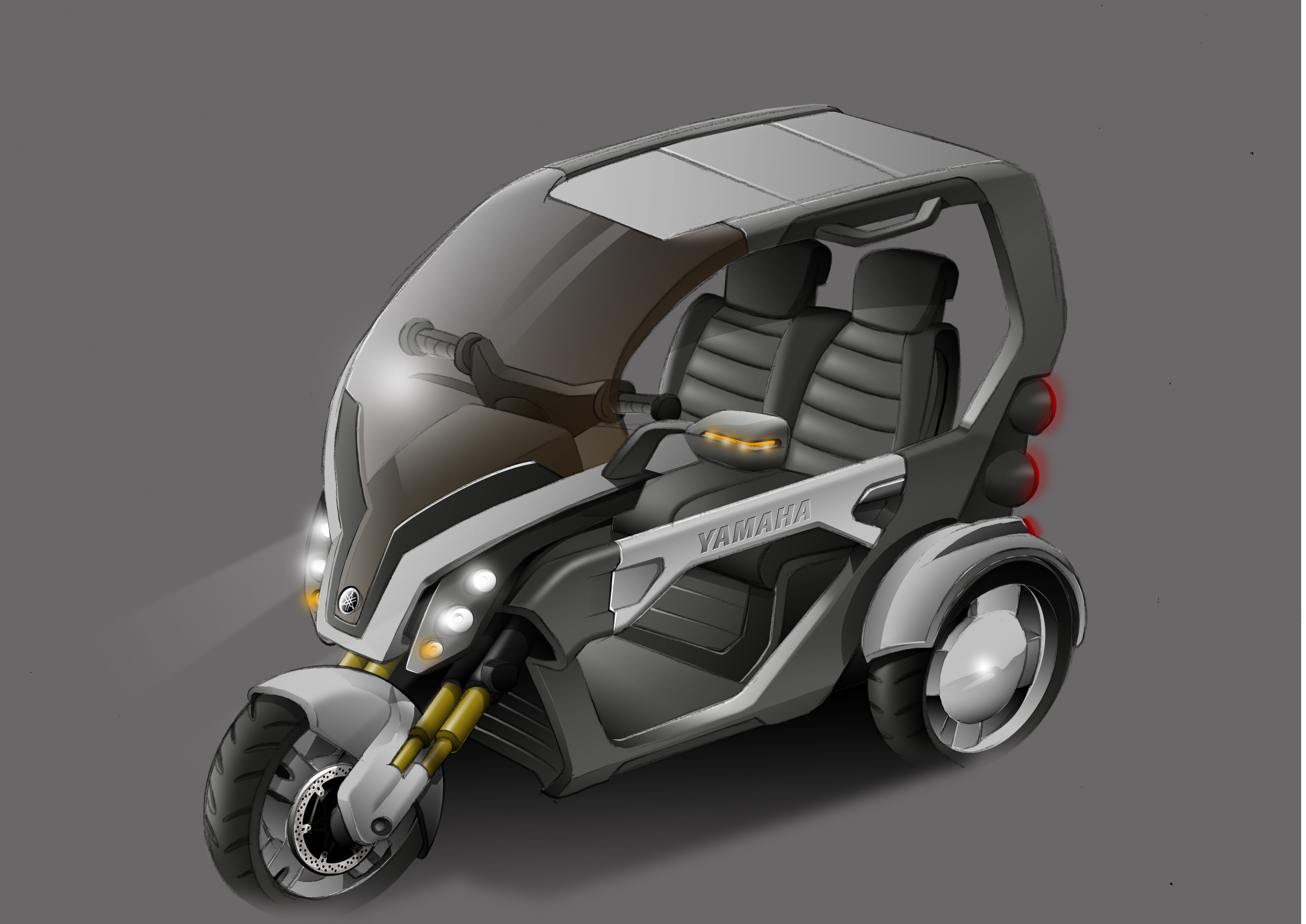
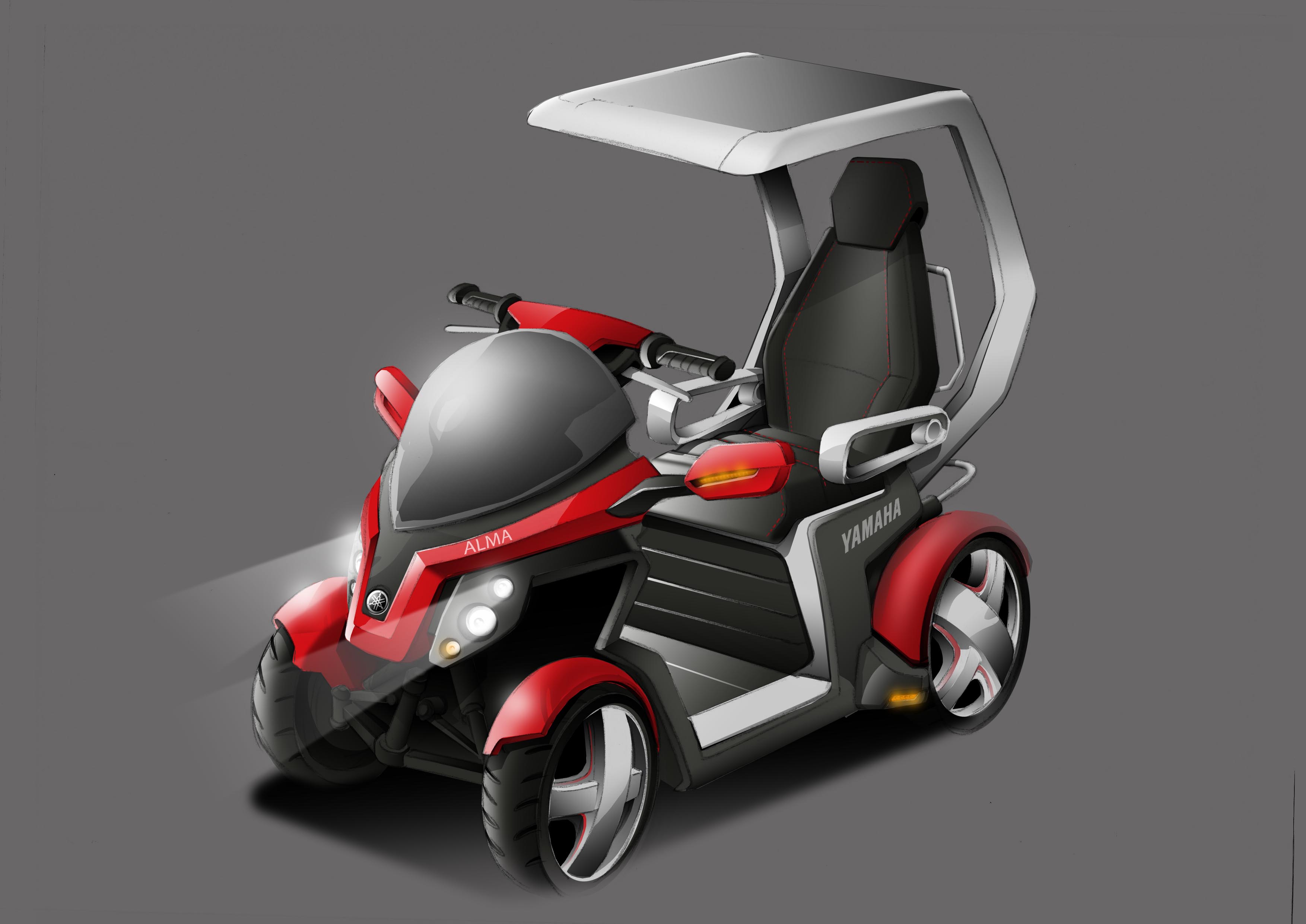
The development of a two-seater electric urban vehicle began with a deep exploration of user needs in congested city environments. The initial phase focused on concept creation, emphasizing compact dimensions, ease of parking, and sustainability.
Early design ideas were translated into hand-drawn sketches, allowing for rapid visualization and iteration of different forms and configurations. These sketches evolved into more detailed drawings, leading to the creation of a full-scale mockup to assess proportions and ergonomic aspects. Based on the mockup, a functional prototype was built, integrating essential mechanical and electrical components to simulate real-world usage. Several rounds of user testing were conducted to evaluate accessibility, comfort, intuitive controls, and overall user experience. Feedback from these tests guided significant design refinements.
Combining innovative design with practical functionality.
Scope:
-
Characterization and research
-
Schematic structure development
-
1:1 mockup for user testing
-
2D design concept development
-
3D detailed model
-
Prototype production files
PEACH LTD
2022-2025


starting point & Guiding values

Initial volumetric mockup


structure & form
Our design philosophy seeks to redefine the urban landscape. Moving away from aggressive machinery, we introduce 'Soft Urbanism.' Characterized by fluid curves and a reassuring silhouette, the vehicle radiates calm and confidence. It is a progressive, human-centric design—accessible, intuitive, and genuinely welcoming. By blending a friendly aesthetic with sharp agility, we have created the ultimate solution for the city’s rhythm, offering passengers a quiet, protective sanctuary.
chosen concept


Interior design characterization

Reduction and convergence


Developing a physical model at a 1:1 scale is a critical and indispensable step in the development process, as it serves as the sole bridge between virtual design and tangible reality. Only through a full-size mockup can we conduct authentic User Testing, allowing designers to identify operational flaws and validate Human Factors (Ergonomics)—ranging from grip comfort and reach to the necessary physical maneuvering space. Beyond functionality, working in true scale is the only method that permits a precise analysis of proportions and formal harmony in relation to the environment and the human body—insights that cannot be fully achieved through a computer screen or 3D simulations.
POC - Proof of Concept


CMF (color material finish)